Recently I was teaching one of my kids a bit of web coding. This is way more complicated than it should be. There are so many moving parts - configuration, build systems, editors, hosting requirements, certificates etc. just to get a simple web app running. Why?
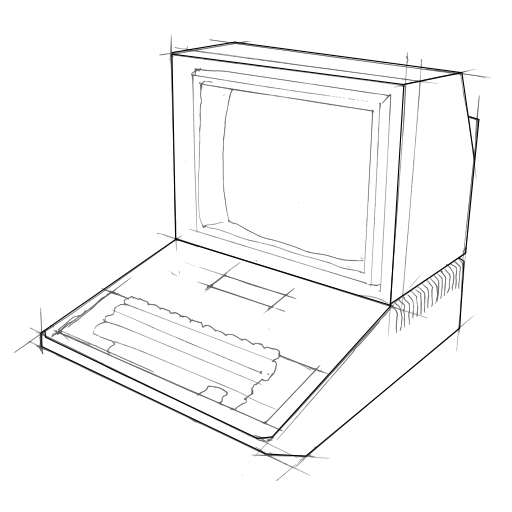
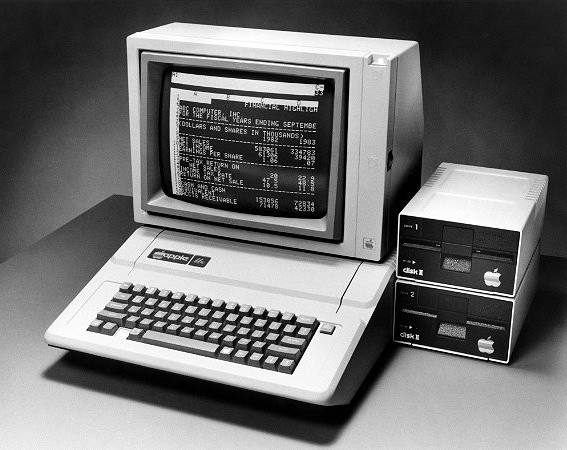
I thought back to when I was learning to code with my mother on our Apple IIe. The computer was ours. The code was ours. The data was ours.
I thought back to shareware. First diskettes and then FTP. I thought about my first website and those first Multi User Dungeons. Nethack and newsgroups and bulletin board systems. Trading ware with friends. I remembered running Linux for the first time on a Pentium. The freedom and power of getting to do what you want with your computer and a network connection. How can we take our computers back?
I started thinking about what a personal computing platform would look like today. A platform that a kid could jump right into and start coding. A platform where a kid could build cool stuff without asking for permission. Systematic convex tinkering with computers. Where they could own their software, and their data, and their device.
A way to make, run, and share web applications without needing site hosting, SSL certificates etc. An app repository and a text editor in a single web app. A way to share apps peer-to-peer, directly between trusted friends, family, and associates.
Then I re-read this:
- Personal computers – in the original visions of many personal computing pioneers (e.g. many members of the Homebrew Computer Club), the PC was intended as personal property – the owner would have total control (and understanding) of the software running on the PC, including the ability to copy bits on the PC at will. Software complexity, Internet connectivity, and unresolved incentive mismatches between software publishers and users (PC owners) have substantially eroded the reality of the personal computer as personal property.
This desire is instinctive and remains today. It manifests in consumer resistance when they discover unexpected dependence on and vulnerability to third parties in the devices they use.
Nick Szabo in Trusted Third Parties Are Security Holes.
This is the important thing. It has to be self sufficient. It has to work properly whilst depending as little as possible on third parties.
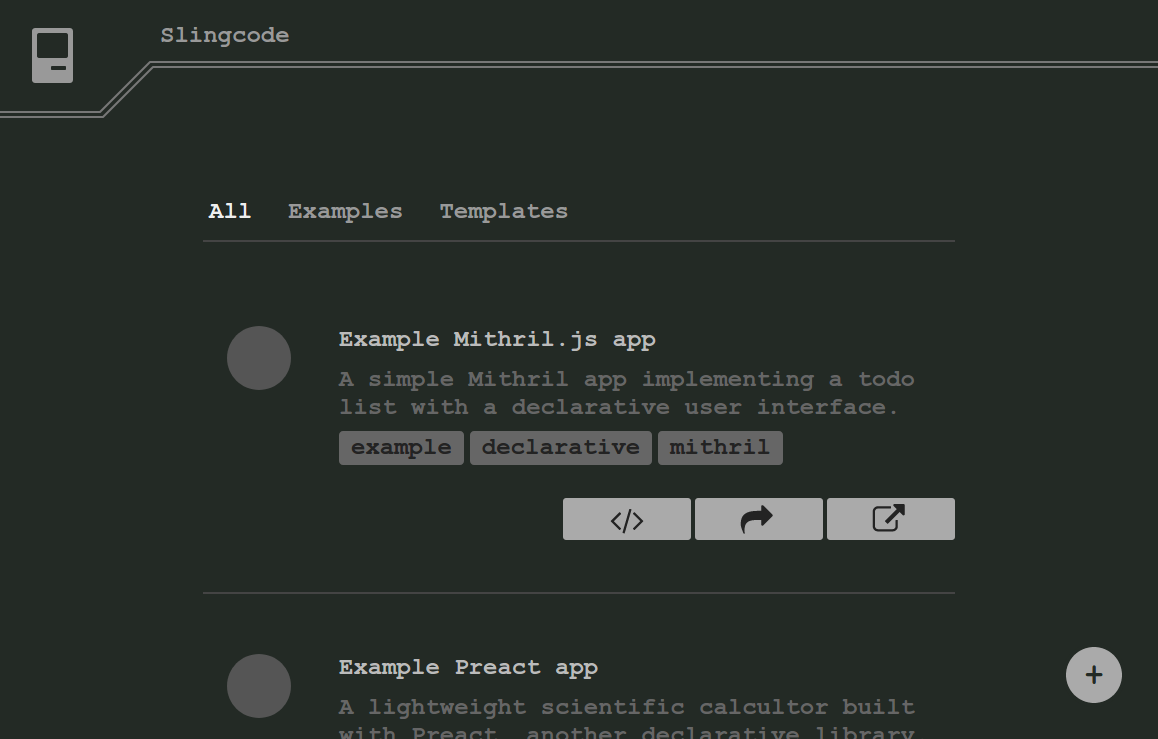
Last Monday I started building this. It's called Slingcode. With it, you can write, run, and share your own web applications directly in the browser. You don't need any build system, hosting provider, SSL certificate, or any thing else. You don't even need an internet connection. Just a web browser and the single HTML file containing the Slingcode web app.
Stay tuned.